
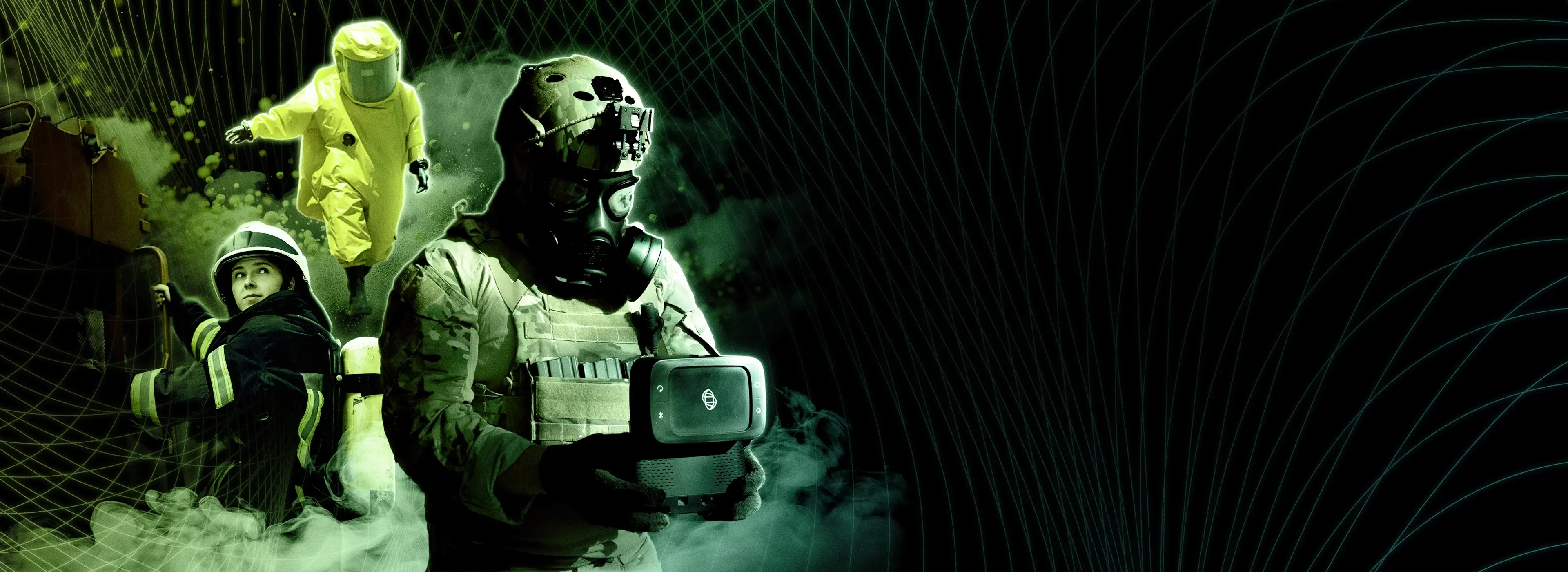
CBRN Solutions
Mobile Detection Across Chemical, Biological, Radiological & Nuclear Threats
Secure Tomorrow with Precision Today.
Protecting those who protect us with cutting-edge biowarfare agent detection and identification solutions.
What CBRN Detection Involves
CBRN detection is the use of specialized instruments and assays to identify chemical, biological, radiological or nuclear threats — in the field or at a fixed facility — so that responders can assess risk and act before exposure occurs. Because each domain is detected through different underlying physics, no single instrument covers all of them; a complete CBRN capability is assembled from several specialized systems.
Explosives are commonly added as a fifth category, giving the acronym CBRNE, particularly in equipment sets and procurement documents. The categories below are the framework that detection doctrine, training and acquisition are all organized around.
Four of the five domains are confirmed at the point of encounter; biology historically wasn't. For why the biological category lags the others, and what that gap costs operationally, see Closing the CBRNE Gap.
Chemical (C)
Ion mobility spectrometry, colorimetric detection and spectroscopy for nerve agents, blister agents and toxic industrial chemicals.
Chemical detection focuses on the rapid identification of chemical warfare agents and toxic industrial chemicals using point detectors, standoff sensors and analytical instruments — including ion mobility spectrometry, infrared and Raman spectroscopy, and gas chromatography–based systems. Detection is typically near-instantaneous, with identification confidence varying by instrument class.
Biological (B) Biomeme's focus
PCR and isothermal-based technology to identify bacteria, viruses and toxins. This is Biomeme’s area of specialization.
Biological detection identifies bacteria, viruses and biological toxins through air, liquid and surface sampling, combined with screening and confirmatory analysis. Immunoassays and biosensors provide rapid presumptive indication; molecular methods called nucleic acid amplification tests (NAATs) — principally real-time PCR and isothermal — provide confirmatory identification by matching a target’s unique DNA or RNA signature. Because biological agents cannot be detected by the physical signatures that chemical and radiological instruments rely on, the biological layer has historically been the slowest to confirm and the most dependent on laboratory infrastructure.
Radiological (R)
Gamma spectrometry and neutron detection with isotope identification algorithms.
Radiological detection characterizes radioactive materials using radiation detectors and spectrometers. Gamma and neutron detectors, combined with isotope identification algorithms, allow operators to distinguish naturally occurring radioactive material from special nuclear material.
Nuclear (N)
Advanced radiation sensing, nuclear forensics and modeling for material attribution.
Nuclear detection addresses the identification and attribution of nuclear materials or events. These systems integrate advanced radiation sensing, nuclear forensics and modeling tools to support confirmation, source characterization and consequence assessment.
Explosives (E)
Trace particle analysis, ion mobility spectrometry and canine or standoff screening.
Explosives detection — the "E" in the broader CBRNE grouping — relies on trace particle and vapor analysis, ion mobility spectrometry, and standoff or canine screening to identify explosive compounds and their precursors. It is frequently grouped with CBRN in doctrine, procurement and equipment sets even though the underlying physics differs.
Field-Deployable vs. Fixed-Facility
This is the first question worth settling, because it determines everything else about how a CBRN detection capability is built.
Fixed-facility systems
Highest analytical breadth and throughput. A reference laboratory can identify agents outside any predefined panel and characterize them in depth. The cost is infrastructure: mains power, controlled environment, cold chain for reagents, and trained laboratory staff — plus the transit time to get a sample there.
Field-deployable systems Biomeme
Narrower analytical scope, but the answer arrives where the sample was taken. For a team deciding whether to stay in protective posture, whether to decontaminate, or whether an alarm can be cleared, the time to answer often matters more than analytical breadth.
Where Biomeme sits: Biomeme's platforms are handheld, battery-powered and field-deployable — not fixed-facility instrumentation. The latest Biomeme/5 platform weighs just 2 lbs, including user-swappable COTS batteries, requires no preliminary sample preparation, and delivers confirmatory-grade molecular results in less than 15 minutes without a laboratory or specialized training. If your requirement is a fixed reference laboratory capability, Biomeme is not the right fit and we will tell you so.
For the full field-deployable vs. fixed-facility comparison, see the technical reference PDF.
The Three Levels of CBRN Identification
Not every positive result carries the same weight. CBRN identification is generally organized into three levels of increasing confidence, and the distinction between them drives what a commander is able to do with the information.
Detection
An instrument indicates that something anomalous is present — a change in particle count, fluorescence or another physical signature — without identifying what it is. Detection answers "is there something here?" and is the trigger for sampling.
- Confidence
- Lowest — indicates presence, not identity
- Typical methods
- Aerosol particle counters, biological triggers, standoff sensors
Presumptive identification
A screening assay indicates that a specific agent is likely present. Presumptive results are actionable for immediate force protection decisions but are not definitive, and doctrine generally requires them to be followed by confirmatory testing before conclusions are drawn.
- Confidence
- Moderate — supports immediate protective action
- Typical methods
- Lateral flow immunoassays, handheld antibody-based assays
Confirmatory identification
A method with high sensitivity and specificity confirms the identity of the agent — traditionally requiring a fixed reference laboratory. Nucleic Acid Amplification Tests (NAATs), using real-time PCR or isothermal chemistry, is the reference standard here because it verifies an agent by its unique DNA or RNA sequence rather than by a surface protein, and can do so from very small quantities of genetic material.
- Confidence
- Highest — definitive identification
- Typical methods
- Real-time PCR, isothermal, sequencing, reference laboratory culture
Most field-portable biological detection stops at level two. Biomeme's platforms deliver level three — confirmatory identification — in the field, because molecular testing verifies an agent by its unique DNA or RNA sequence rather than by a surface protein. That is the whole point of the architecture.
Biomeme's Role: Biological Detection for CBRN Defense
Portable. Precise. Prepared.
Biomeme covers the biological layer of CBRN defense — not the full spectrum. A compact, state-of-the-art portable qPCR device designed for rapid, accurate biowarfare agent detection and identification, anywhere.
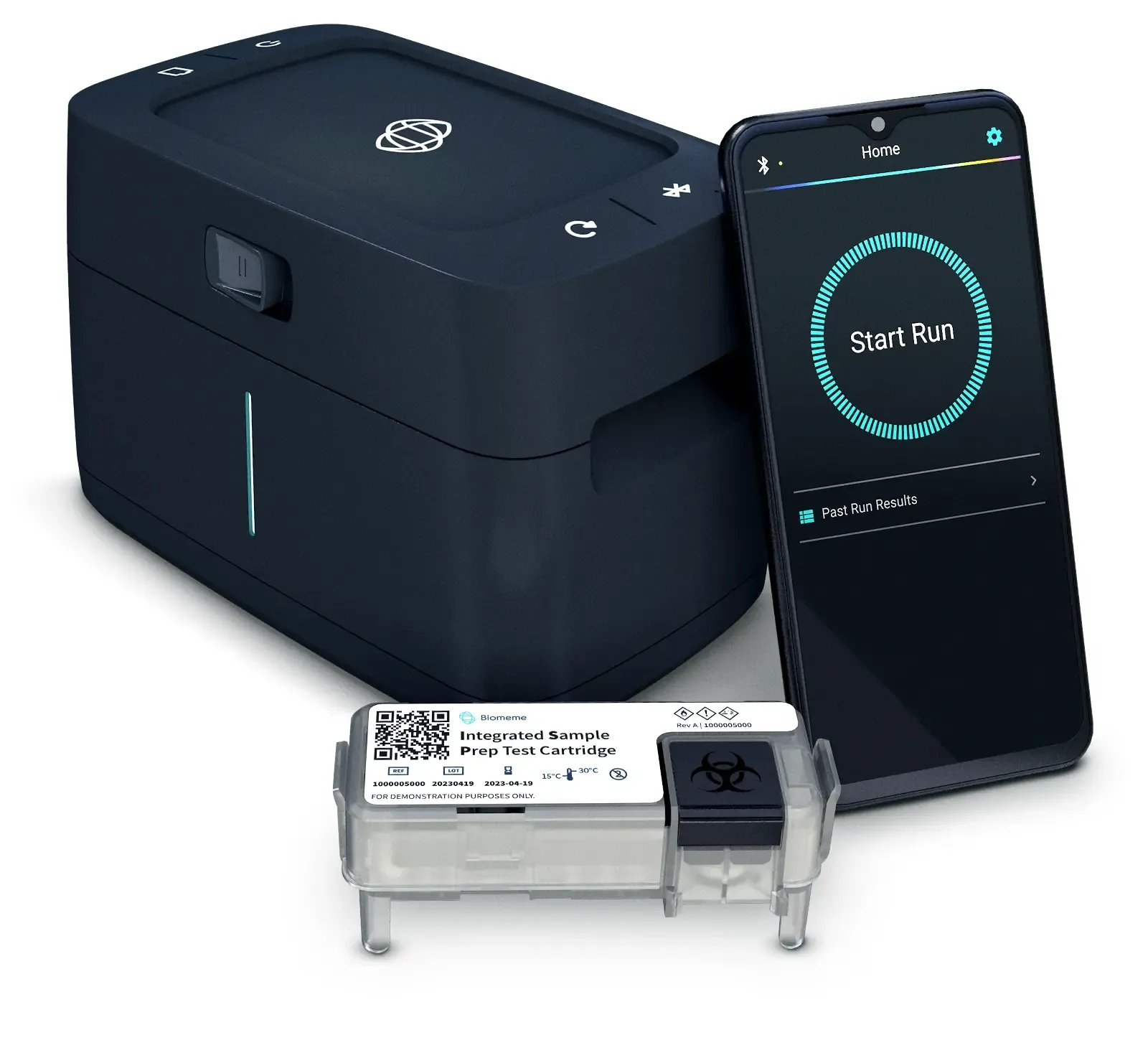
Mission-Ready Solutions
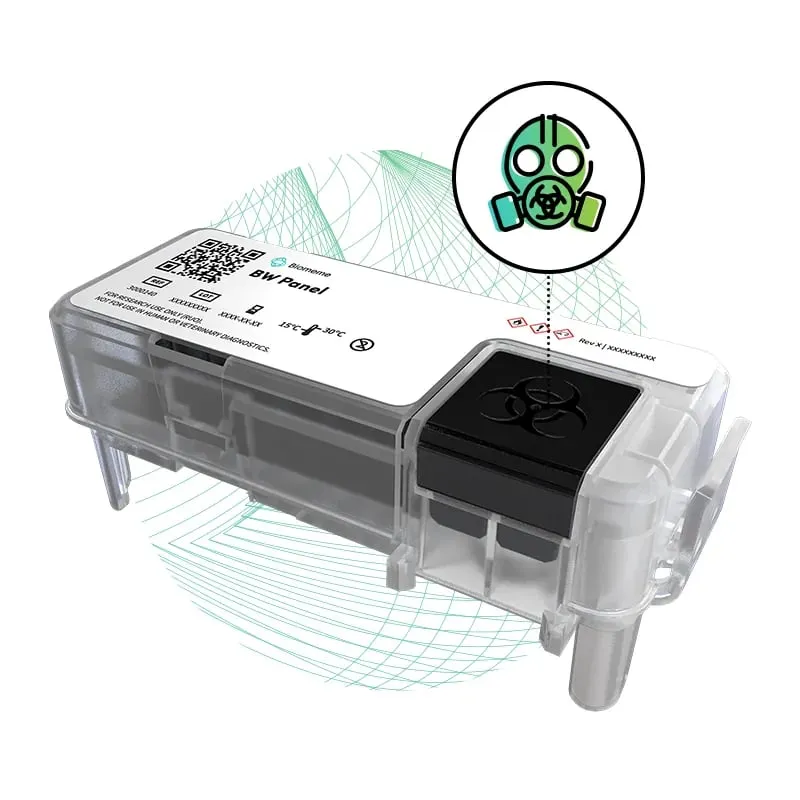
Biowarfare Panel
A comprehensive, rapid detection kit designed for identifying multiple biowarfare agents simultaneously, ensuring precise field detection in critical defense scenarios.
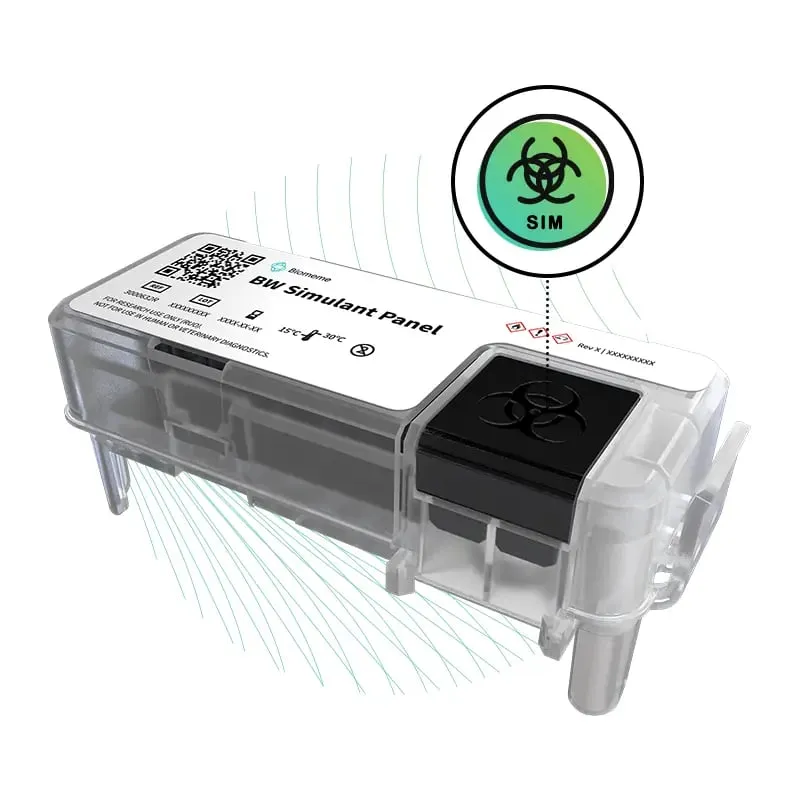
Simulant Panel
Designed for practical training, this panel offers hands-on experience in identifying biowarfare simulants, ensuring teams can accurately detect CBRN threats.
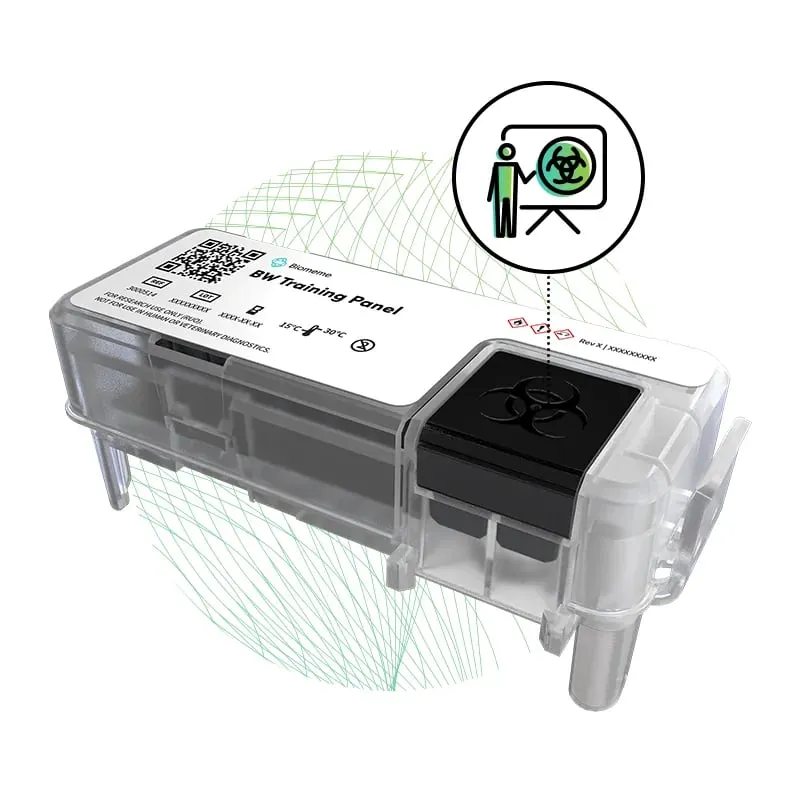
Training Panel
A specialized training kit for simulating biowarfare agent detection, designed to enhance readiness and operational proficiency in CBRN bio-threat identification.
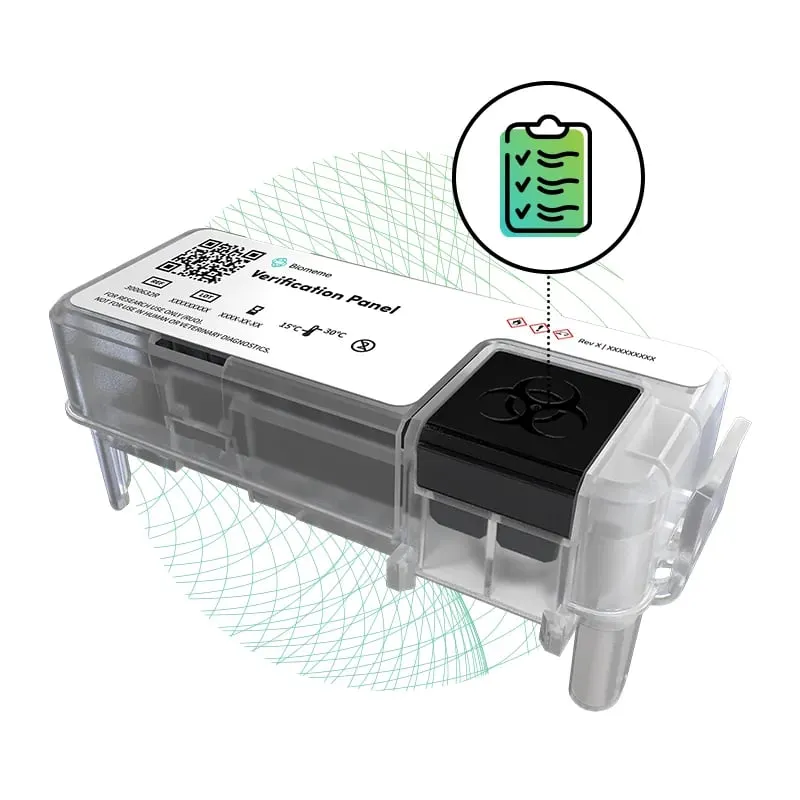
Franklin® ISP Verification Kit
A quality control kit confirming the Franklin® ISP is operating accurately and reliably with unparalleled precision.
CBRN Solutions by Sector
Biomeme is at the forefront of pioneering CBRN biodefense solutions, working hand-in-hand with the US Military to develop nextgen biowarfare agent identification technologies. Our strategic partnerships have led to the creation of CBRN tools that are essential in safeguarding military personnel and civilian populations against biological threats. By integrating our innovative technologies with the military's expertise, we're able to deliver solutions that are not just advanced, but also critical in life-saving missions across the globe.
Military Applications
Fortifying military capabilities with durable, state-of-the-art biowarfare agent identification systems for CBRN field operations.
Military CBRN detection solutions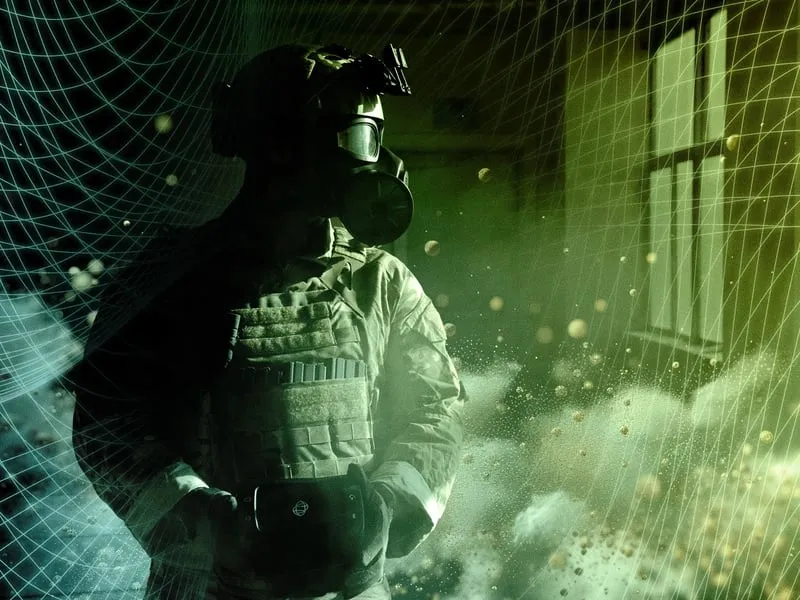
State & Local First Responders
Bolstering community defense with specialized biothreat detection and rapid CBRN response capabilities for HAZMAT & First Responders.
State & local biothreat detection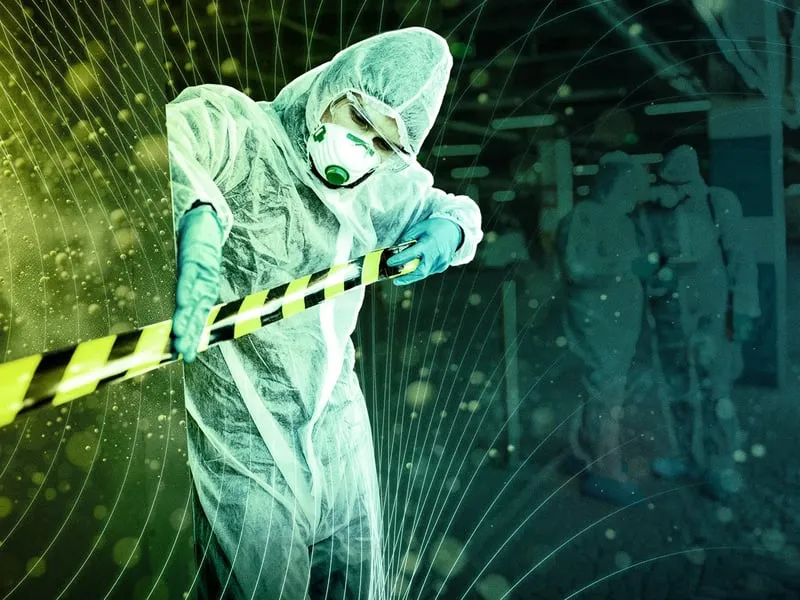
Federal Agencies
Elevating national defense with advanced biowarfare agent identification technology for critical CBRN, Hazmat, and Counterterrorism operations.
Federal agency CBRN detection
CBRN Solutions by Application
CBRN bio-identification solutions are required for a wide range of applications. Biomeme is at the forefront of pioneering CBRN biodefense solutions, working hand-in-hand with the US Military to develop nextgen biowarfare agent identification technologies.
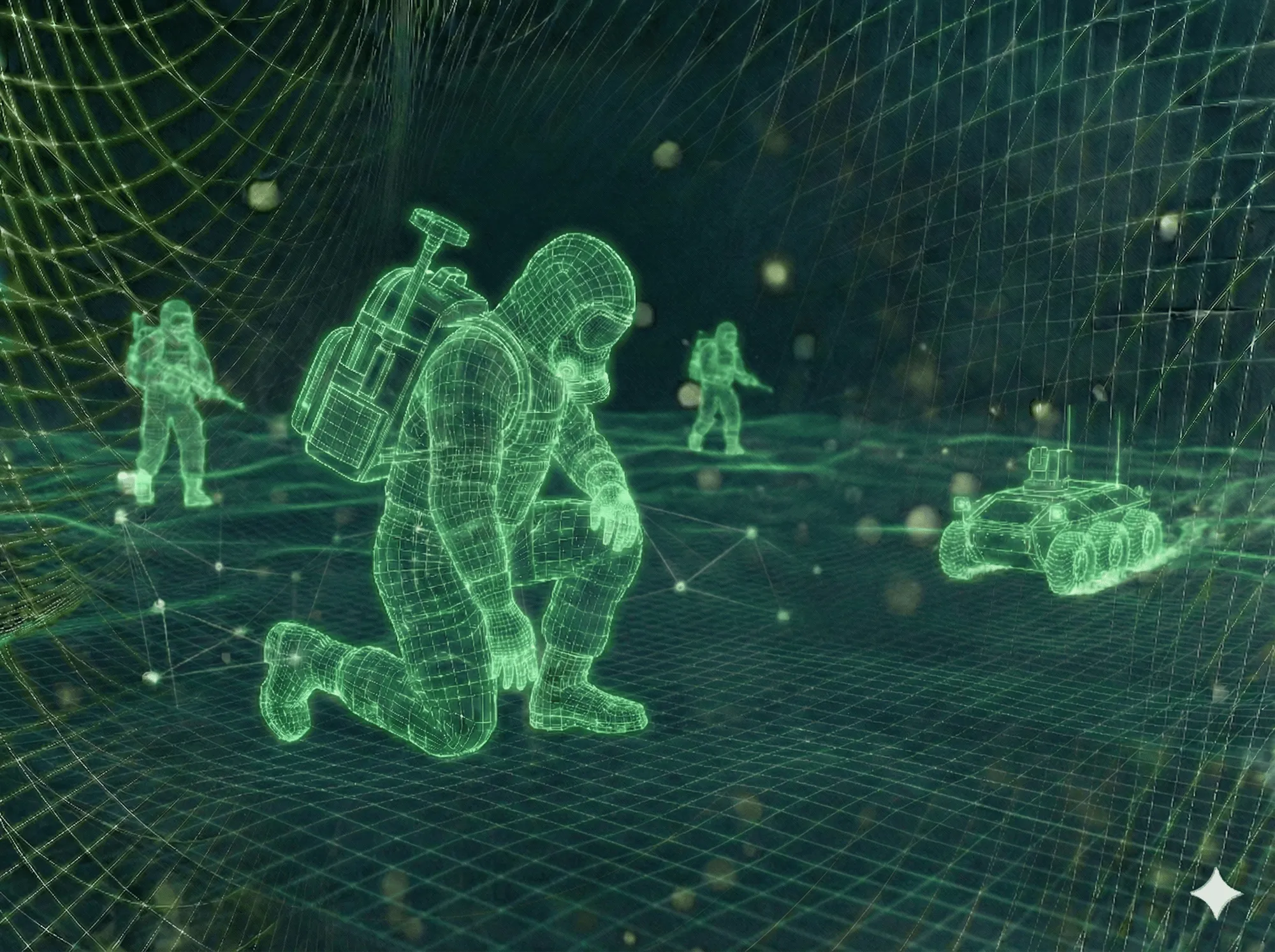
Dismounted Reconnaissance
CBRN dismounted reconnaissance involves trained personnel operating on foot to detect, identify, and assess chemical, biological, radiological, and nuclear hazards in areas that are inaccessible or unsuitable for vehicles or unmanned systems. Using portable detectors, sampling kits, and protective equipment, teams conduct close-in surveys, collect environmental samples, mark hazards, and report conditions in near real time to support force protection, maneuver decisions, and follow-on response actions.
Biomeme's CBRN biothreat identification solutions are hand-held and battery-powered providing the ideal form factor for CBRN dismounted reconnaissance teams. The Joint Handheld Bio-Agent Identifier (JHBI) is a handheld biological identification system with integrated sample preparation developed by the U.S. Military for their Special Operations Forces and is often cited as a representative capability in this mission space.
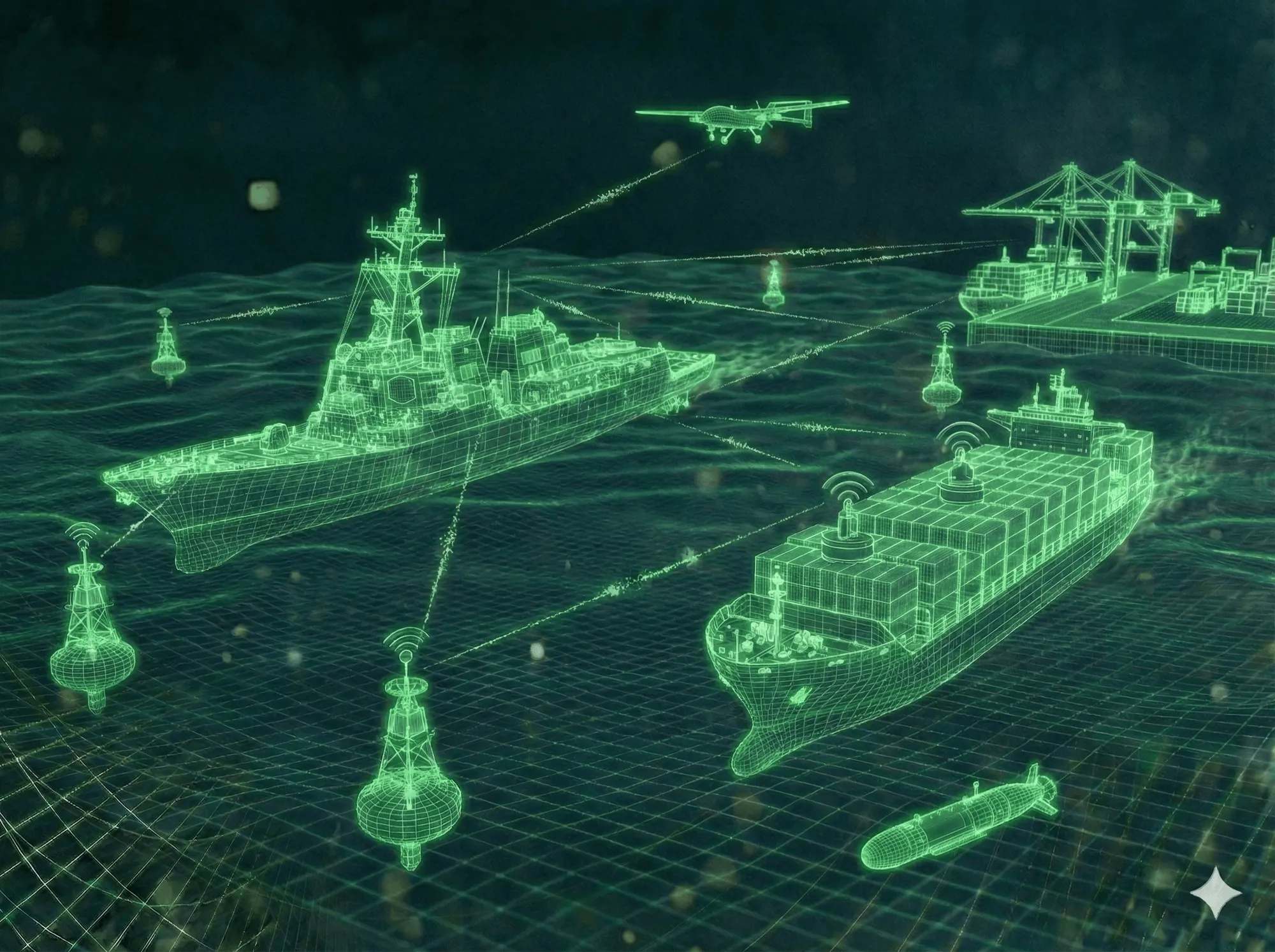
Naval & Maritime CBRN Monitoring
Naval and maritime CBRN monitoring involves the continuous surveillance, detection, identification, and assessment of chemical, biological, radiological, and nuclear threats across open seas, littoral zones, ports, and aboard naval and commercial vessels. It employs a mix of fixed and mobile sensors, shipboard detection systems, environmental sampling equipment, and remote or standoff technologies.
These capabilities support early warning, contamination avoidance, crew and asset protection, port and harbor security, and informed decision-making during routine operations, crisis response, and conflict. Biomeme are the experts in automated nucleic acid extraction and purification, shelf-stable lyophilized real-time PCR and isothermal reagents, thermal cycling, and preparation for down-stream sequencing. We partner to integrate these capabilities into larger naval and maritime CBRN monitoring systems.
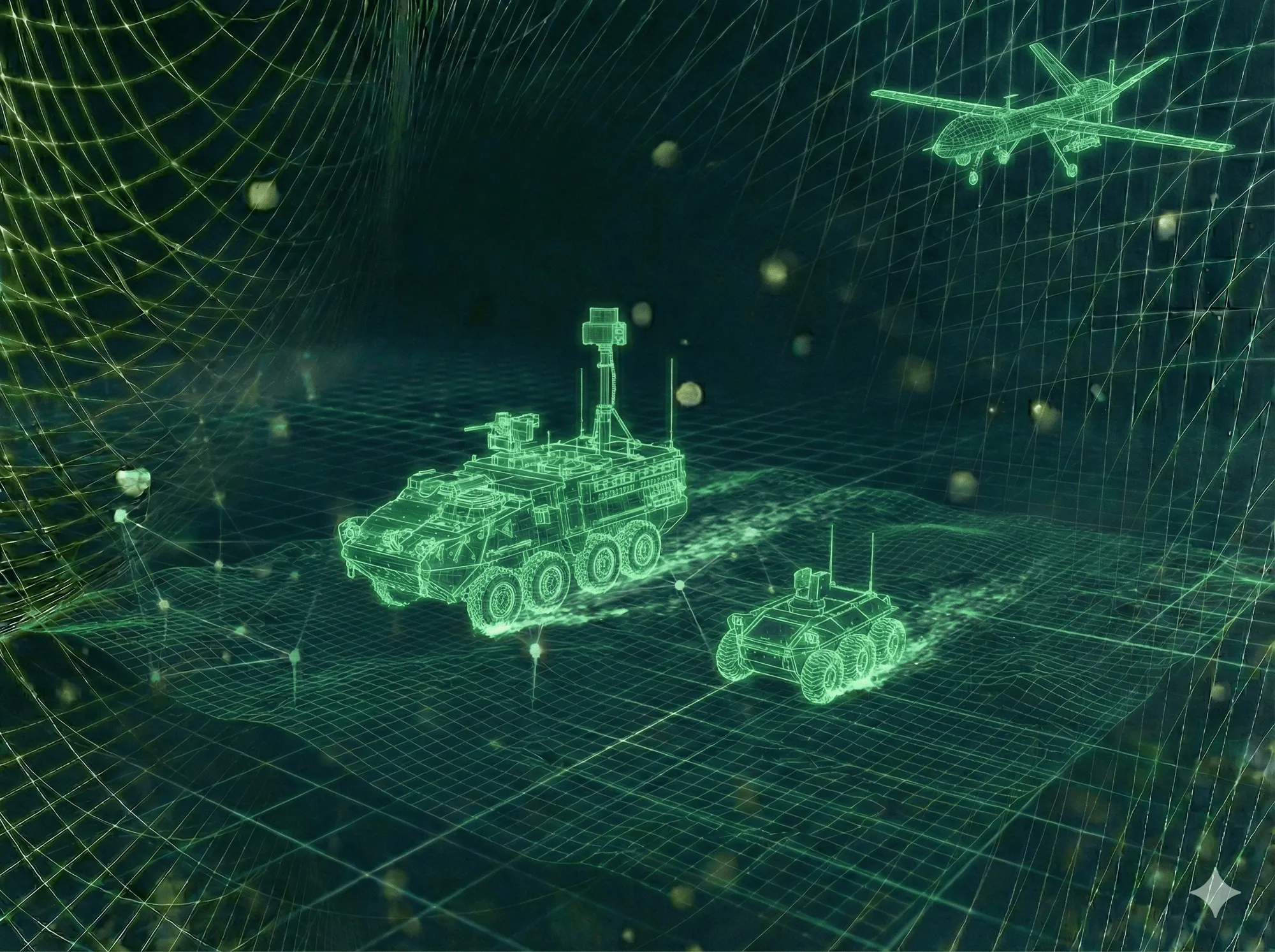
Armoured CBRN Reconnaissance
Armored Brigade Combat Teams (BCT's) are active Chemical, Biological, Radiological, and Nuclear (CBRN) Hazard Response Companies. Hazard Response Companies provide point, standoff, and remote CBRN sensing capabilities to provide commanders the time and space to make informed, proactive, risk-based decisions, enhancing freedom of movement and maneuver in largescale combat operations.
Biomeme are the experts in automated nucleic acid extraction and purification, shelf-stable lyophilized real-time PCR and isothermal reagents, thermal cycling, and preparation for down-stream sequencing. In addition to our mobile hand-held instruments, Biomeme partners to integrate these capabilities into a range of technologies including unscrewed UAS/UAV/UGV systems.
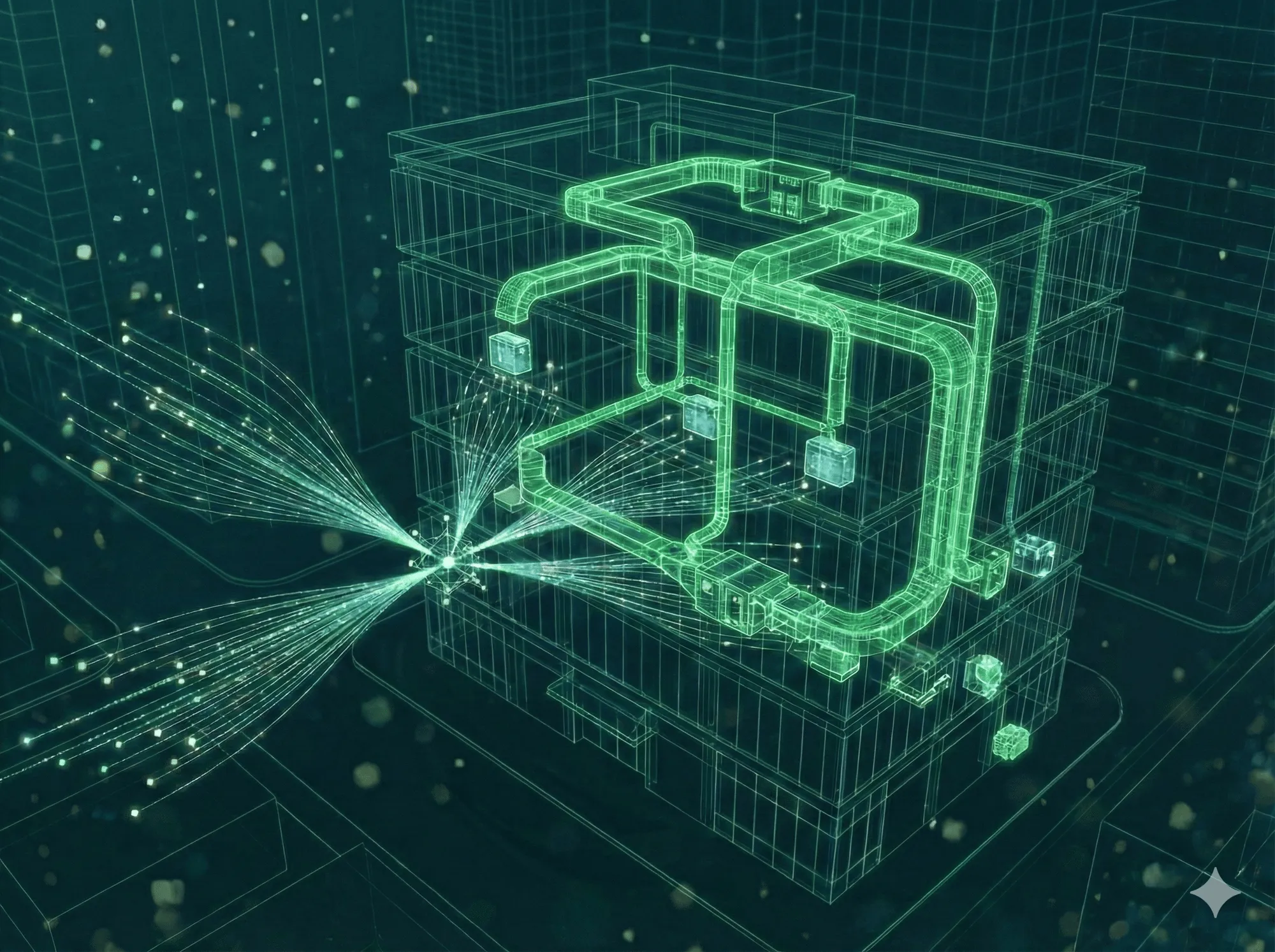
Building CBRN Monitoring
CBRNE monitoring of buildings focuses on the early detection, collection, and assessment of hazardous chemical, biological, radiological, nuclear, and explosive threats within and around occupied facilities. For biowarfare defense in particular, building-based monitoring emphasizes continuous surveillance of indoor air and critical ventilation pathways to provide early warning of an intentional or accidental biological release.
Biowarfare agent detection and collection methods typically center on HVAC-integrated air sampling, aerosol collectors, and biological sensors capable of capturing and concentrating airborne particles for analysis. Biomeme partners to integrate these capabilities into a range of technologies to provide biothreat identification including building-based monitoring solutions.
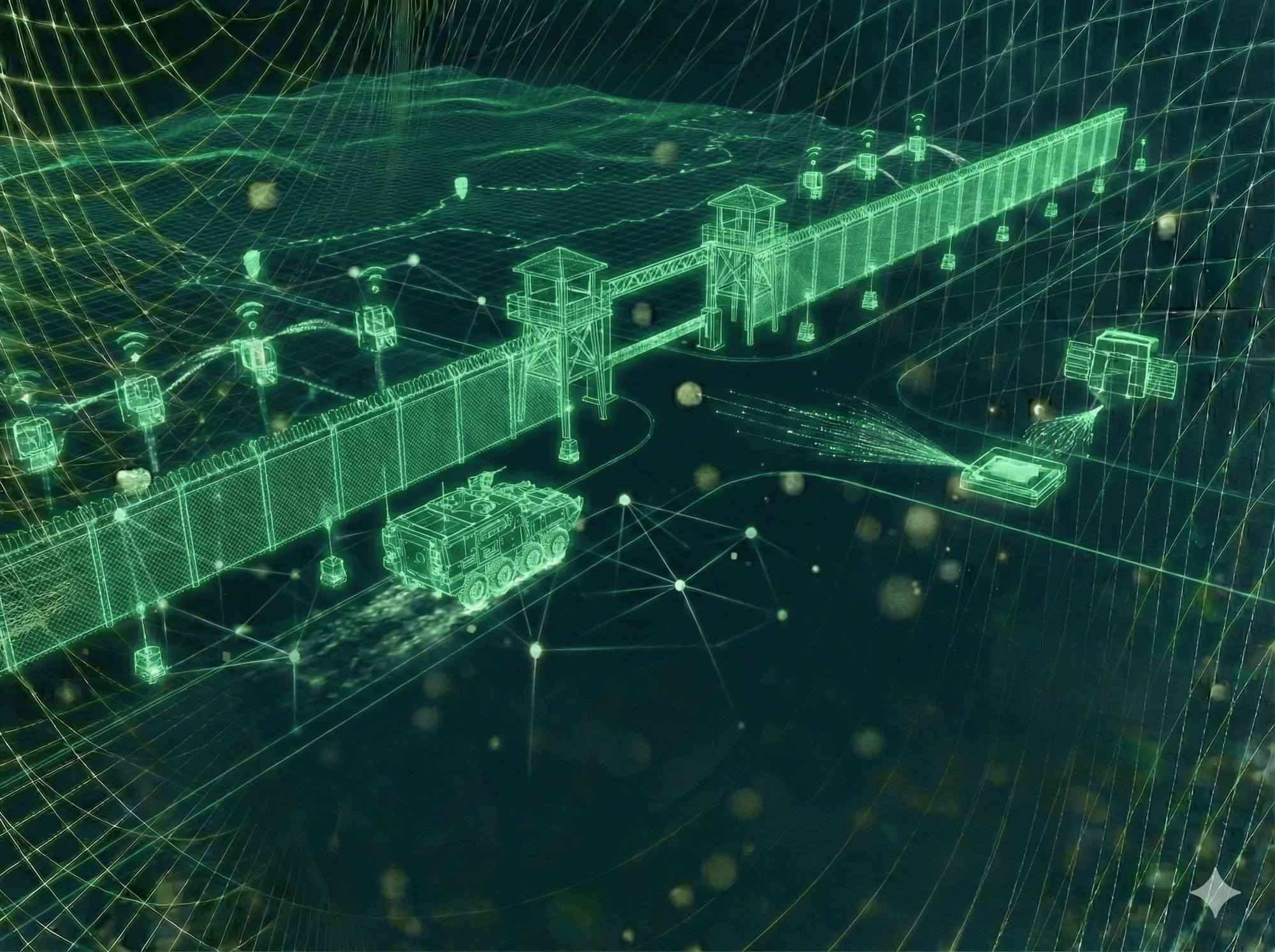
Border & Perimeter CBRN Monitoring
CBRN border protection and perimeter monitoring focus on the early detection, identification, and assessment of chemical, biological, radiological, and nuclear threats at national borders, ports of entry, and critical perimeters surrounding high-value sites or operational areas. The primary objective is to provide timely warning of illicit CBRN movement or release.
The Joint Biological Tactical Detection System (JBTDS) developed by the U.S. Military is often cited as a representative capability in this mission space. JBTDS is designed to provide expeditionary, networked biological detection and sampling in austere and forward environments. It integrates biological aerosol sampling, automated detection triggers, and Biomeme biological identification to support rapid situational awareness and decision-making at the tactical level.
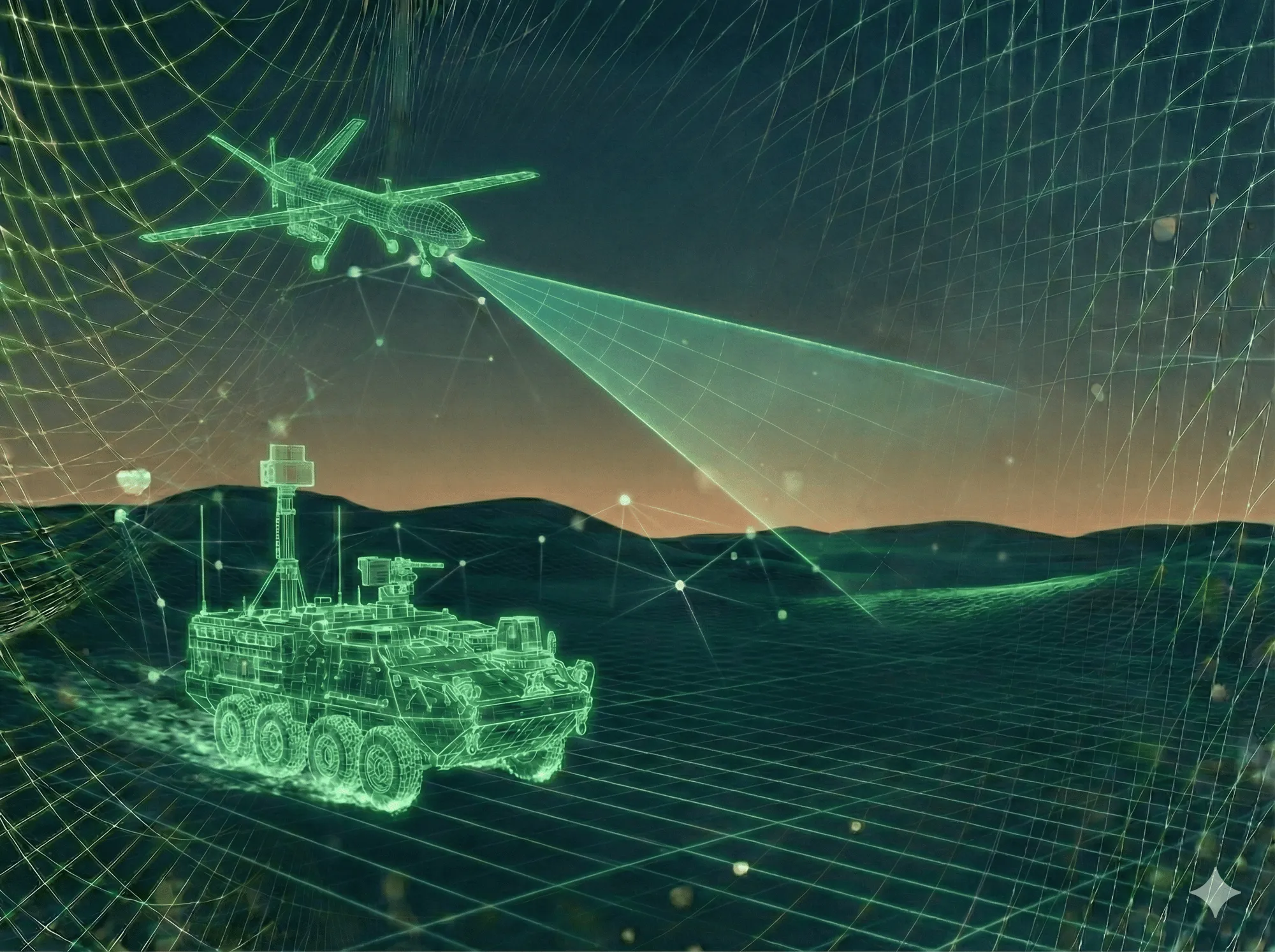
Unmanned Standoff Identification
Unmanned standoff CBRN identification focuses on detecting, characterizing, and assessing chemical, biological, radiological, and nuclear hazards from a safe distance using robotic and autonomous platforms. The primary goal is to reduce risk to personnel while enabling early situational awareness, reconnaissance, and informed decision-making in contaminated, denied, or uncertain environments.
These capabilities leverage unmanned ground vehicles (UGVs), aerial systems (UAS), and maritime robots equipped with integrated CBRN sensors for remote sensing, point detection, and sample collection. Biomeme partners to integrate these capabilities into a range of technologies including unscrewed UAS/UAV/UGV systems.
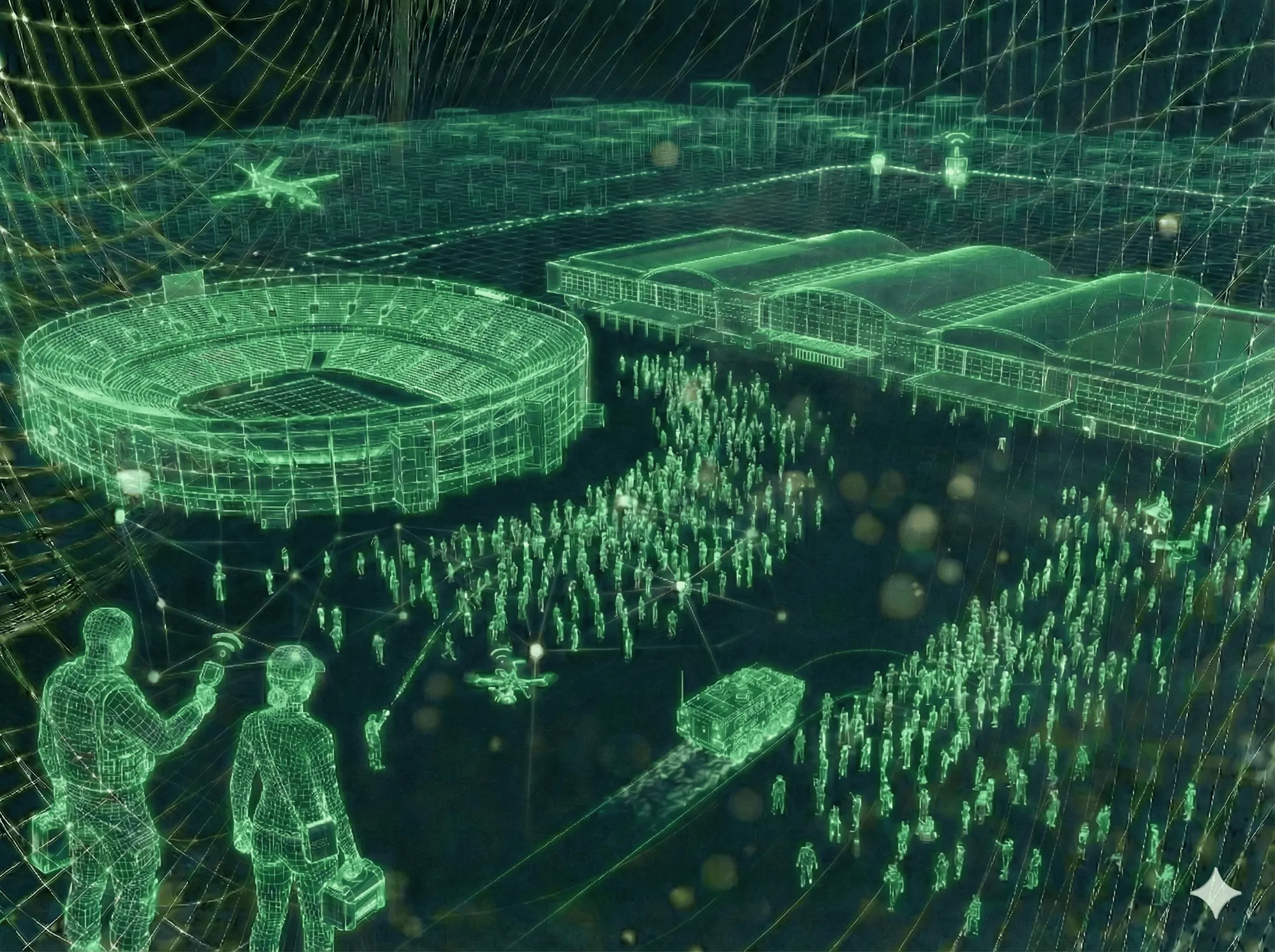
Large Public Events
CBRN monitoring for large public events is designed to provide early warning, situational awareness, and rapid response capabilities to protect attendees, infrastructure, and public confidence. These efforts integrate federal, state, and local agencies to detect and assess potential CBRN threats in high-density, high-visibility environments.
Programs such as Joint Hazard Assessment Teams (JHATs) play a central role. JHATs deploy specialized personnel and portable CBRN detection equipment to conduct pre-event surveys, real-time monitoring during events, and post-event assessments. Biomeme's hand-held and battery-powered solutions provide the ideal form factor for these teams.
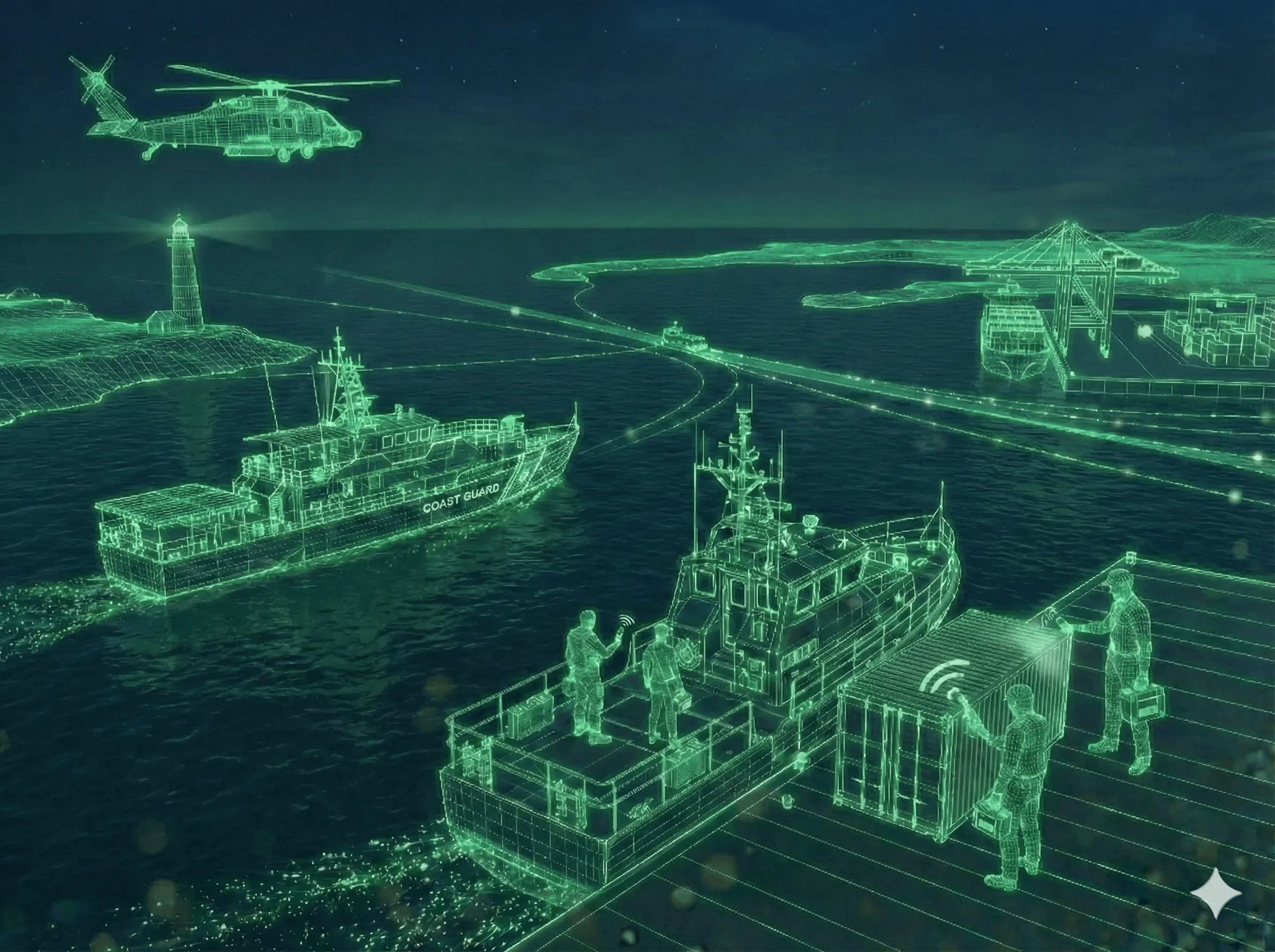
Patrol & Coast Guard CBRN Monitoring
Patrol and Coast Guard CBRN monitoring techniques focus on detecting, identifying, and responding to chemical, biological, radiological, and nuclear threats in maritime, coastal, and inland waterway environments. These missions support port security, border enforcement, maritime domain awareness, and the protection of vessels, crews, and critical infrastructure.
CBRN monitoring is typically conducted using a combination of shipboard sensors, portable detection equipment, and mobile survey techniques. Biomeme's CBRN biothreat identification solutions are hand-held and battery-powered providing the ideal form factor for rapid assessment and response during routine patrols and surge operations.
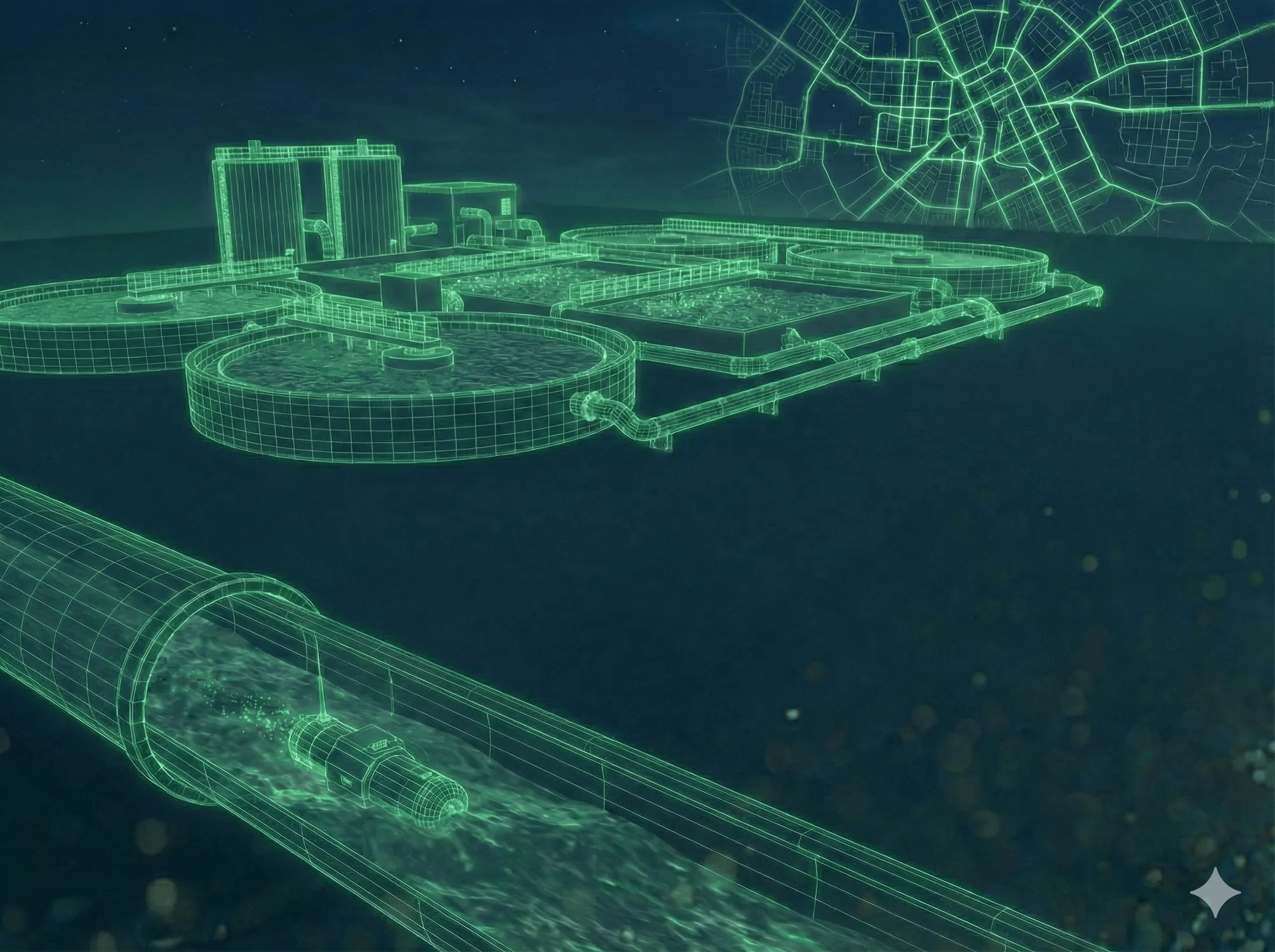
Wastewater CBRN Monitoring
Wastewater CBRN monitoring is an emerging approach to detect chemical, biological, radiological, and nuclear threats through the analysis of sewage and wastewater streams. By sampling municipal or facility-level wastewater, monitoring programs can identify pathogens, toxins, or chemical signatures that indicate the presence of hazardous agents — providing early warning of potential threats or outbreaks.
Biomeme are the experts in automated nucleic acid extraction and purification, shelf-stable lyophilized real-time PCR and isothermal reagents, thermal cycling, and preparation for down-stream sequencing. In addition to our mobile hand-held instruments, Biomeme partners to integrate these capabilities into wastewater monitoring solutions.
Partner with the Leaders in Mobile DNA/RNA Testing
Biomeme are the leaders in mobile DNA/RNA testing. Partner with us to include our proprietary technologies into your system: automated nucleic acid extraction and purification, shelf-stable lyophilized real-time PCR and isothermal reagents, thermal cycling, and preparation for down-stream sequencing.
We partner to integrate our technology into unscrewed UAS/UAV/UGV's, shipboard, outdoor, and indoor building-based aerosol and wastewater collection solutions.
Discuss Integration
CBRN Detection Equipment, Kits & Procurement
The questions that come up most often when a CBRN detection capability is being specified, costed or compared — answered directly.
CBRN Detection Equipment for Army & Military Units
Army and joint-force CBRN detection equipment is organized around the reconnaissance mission rather than around the instrument. Dismounted reconnaissance teams need equipment they can carry and operate in protective posture; armoured CBRN reconnaissance platoons need systems that integrate with vehicle power and networked reporting; and hazard response companies need point, standoff and remote sensing that together give a commander enough confidence to move.
Biomeme’s contribution to that equipment set is biological identification. The latest Biomeme/5 platform weighs just 2 lbs, including user-swappable COTS batteries, requires no preliminary sample preparation, and delivers confirmatory-grade molecular results in less than 15 minutes without a laboratory or specialized training — which is what makes confirmatory biological identification practical for a team operating away from a laboratory. Biomeme produces the identification capability behind the US military’s Joint Handheld Bio-Agent Identifier (JHBI) and is named as a major contractor component of the Joint Biological Tactical Detection System (JBTDS).
What Is in a CBRN Detection Kit?
A biological CBRN detection kit is a sampling and identification chain, not a single device. It needs a way to collect the sample, a way to extract and purify genetic material from it, a way to amplify and detect specific targets, and consumables that survive storage in the conditions where they will actually be used.
Biomeme supplies that chain as four components: the Biomeme/5 instrument, the Hazard Panel of shelf-stable lyophilized reagents covering 17 biothreats, the Biowarfare (BW) Panel 3.0 covering up to 30 Category A and B agents across 34 gene targets, a BW Simulant Panel, and an Instrument Verification Kit that confirms an instrument is performing correctly before it is relied on. Reagents are lyophilized specifically so the kit does not depend on cold chain.
CBRN Detection Cost & Procurement
There is no meaningful list price for CBRN detection equipment, because what is purchased is a configuration: instrument count, panel selection, warranty term, training package and integration requirements all move the number. Government buyers generally transact through an authorised distributor or GSA schedule holder rather than direct.
The cost question worth asking is usually not the acquisition price but the cost of the alternative. A presumptive-only screening result that has to be shipped to a reference laboratory for confirmation carries a delay measured in hours or days, during which operations stay disrupted and personnel stay in protective posture. Most field alarms turn out to be negative — the value of confirmatory identification in the field is largely the value of ruling a threat out quickly. Biomeme equipment is available through ADS Inc., Noble Supply, Safeware, Paladin, Government Scientific Source, NEBO, Farr West, HAZMAT Resource and M2DCON.
For the full argument — including why most field alarms are false and what that does to the real cost comparison — see Closing the CBRNE Gap.
CBRN Detection Companies & How They Differ
The CBRN detection market divides by threat domain, because the underlying physics does. Chemical detection is dominated by ion mobility spectrometry and spectroscopy specialists; radiological and nuclear by radiation instrumentation manufacturers; explosives by trace particle analysis. Several large integrators supply across multiple domains, and a number of consultancies provide CBRN training, planning and decontamination services rather than instruments.
Biomeme does not claim full-spectrum coverage. Biomeme builds the biological identification layer, and specifically the field-deployable end of it. Buyers assembling a full CBRN capability should expect to source chemical, radiological, nuclear and explosives detection separately — and should scrutinize any single vendor claiming to cover all five domains with one instrument.
CBRN Detection Software & Data Integration
Detection hardware is only useful if its output reaches a decision-maker. Modern field molecular systems are therefore controlled and read through software rather than an onboard display: the Franklin ISP is operated from a mobile application over Bluetooth Low Energy, which handles run setup, live amplification curves, result interpretation and structured data export.
For integrators, the more consequential question is what happens to the data afterwards — whether identification results can be pushed into a common operating picture alongside chemical and radiological sensor feeds. Biomeme partners with system integrators to embed automated nucleic acid extraction, lyophilized reagent chemistry and thermal cycling into larger platforms, including unmanned ground and aerial systems, shipboard installations, and building-based aerosol and wastewater collection.
Trusted by U.S. Defense & Federal Programs
America's elite military units have supported the development of Biomeme's advanced molecular detection solutions. Our technology is integral to Department of Defense Programs of Record, including the Joint Handheld Bio-Agent Identifier (JHBI) and the Joint Biological Tactical Detection System (JBTDS).
JHBI Joint Handheld Bio-Agent Identifier
A handheld biological identification system with integrated sample preparation, developed for U.S. Special Operations Forces. The JPEO-CBRND program fact sheet identifies the fielded capability as the Biomeme Franklin platform, weighing approximately four pounds, powered by battery or mains, delivering results in under an hour and controlled from a smartphone.
Source: JPEO-CBRND program fact sheetJBTDS Joint Biological Tactical Detection System
An expeditionary, networked biological detection and sampling capability for austere and forward environments, integrating aerosol sampling, automated detection triggers and biological identification. The FY2025 Director, Operational Test & Evaluation annual report names Biomeme as a major contractor on the program.
- Milestone C approved September 2023
- Identifier component delivered to U.S. Special Operations Command, July 2025
- Multi-Service operational test & evaluation scheduled 1QFY26
Biomeme has a long history of collaboration with the U.S. Military through various programs with DTRA, DHS, CPE CBRND (previously JPEO-CBRND), and many more environmental and emerging pathogen bio-surveillance projects across the globe.
The Technology Behind Field Confirmatory Detection
Moving confirmatory molecular identification out of the laboratory required solving three separate problems — extraction, automation and portable amplification. Each is covered by granted U.S. patents.
Covers a compact, battery-powered real-time PCR device with an integrated heating block, optical fluorescence detection and wireless connectivity that receives test instructions from a phone or tablet — the core of running confirmatory molecular tests without a laboratory.
Covers an automated sample-preparation system in which a disposable cartridge docks with a reusable processing unit that sequentially mixes the sample with lysis and wash reagents — removing manual pipetting, and with it the training burden and contamination risk that normally keep molecular testing inside a lab.
Covers a lightweight portable analyzer using a moving-magnet mechanism: a heated block holds the sample tubes while a movable carriage carries the optics, performing temperature cycling and fluorescence detection in a smaller and lighter package than a fixed-optics design allows.
Covers nucleic-acid extraction using a porous medium that behaves as a one-way valve: fluid flexes around the medium on the way in, then is forced through it on the way out, capturing and purifying the genetic material in a single hand-operated motion with no power required.
See the complete Biomeme patent portfolio, including what each patent covers in plain language.
Biothreat Detection: Field Identification Methods and Specifications
Open technical reference — detection methods, identification levels, full specifications and cited sources. No form, no gate.
Closing the CBRNE Gap: The Operational Cost of Slow Biological Confirmation
The CBRNE five-domain framing, what a presumptive-to-confirmatory delay actually costs operationally, and the time-to-result constraint that closed the gap in the field. Companion piece to the technical reference above. No form, no gate.
Technically reviewed by
Scientific Advisory Board, Biomeme; Professor of Neurology
Professor of Neurology at the Uniformed Services University of the Health Sciences and a member of Biomeme’s Scientific Advisory Board. Founding director of the DARPA Biological Technologies Office.
Last reviewed
Technical claims on this page are checked against current product specifications and primary federal program sources at each review.
Go deeper on the biological layer
Detection methods, the full presumptive vs. confirmatory explainer, platform specifications and a head-to-head comparison against fielded alternatives.
Explore our Biothreat Detection SuiteCBRN FAQs
Biomeme's flagship product line centers on highly portable PCR and isothermal based molecular detection devices, including our most advanced Biomeme/5 platform. This system delivers confirmatory grade results in rugged, field environments without requiring centralized laboratory infrastructure.
What are the main applications for Biomeme CBRN Biothreat Identification Solutions?
What types of CBRN threat identification technologies does Biomeme develop?
What industries and sectors use Biomeme's CBRN solutions?
What makes Biomeme different from other CBRN solution providers?
Does Biomeme provide customized CBRN systems or turnkey solutions?
How does Biomeme ensure quality and reliability in its products?
What does CBRN stand for?
What is CBRN detection?
What are the three levels of CBRN identification?
Is Biomeme's CBRN detection equipment field-portable or fixed-facility?
What part of CBRN does Biomeme specialize in?
What does CBRN detection equipment cost?
What software does CBRN detection equipment use?
Partners & Distributors
Our collaboration with trusted organizations extends our reach, supporting CBRN defense readiness across all levels of government and military operations.







Organizations That Rely on Our Products





















Non-Dilutive & Venture Funding











CBRN Defense Training & Support
For assistance and detailed guidance on utilizing Biomeme's defense-oriented CBRN solutions, direct your inquiries to our support team. They're ready to provide the help you need.
REQUEST DATASHEET
Request a datasheet to learn more about our platform.
Ready to Deploy Biomeme?
Whether you're equipping warfighters, first responders, or federal agencies — let's discuss how our CBRN solutions can strengthen your biodefense capabilities.